Ambrosini Sai-207
Developer: Ambrosini
Country: Italy
First flight: 1942
Type: Fighter
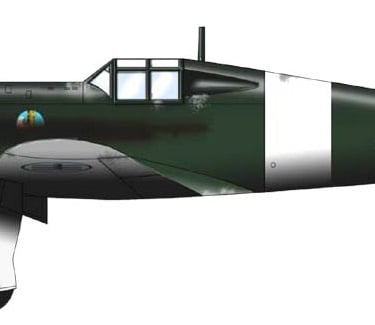
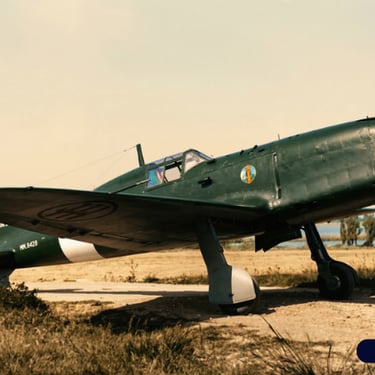
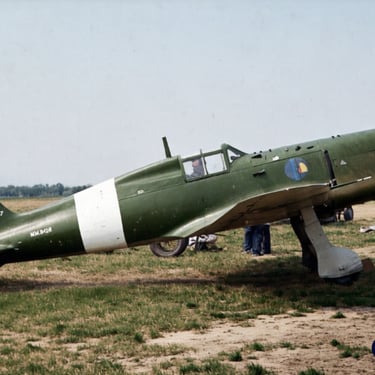
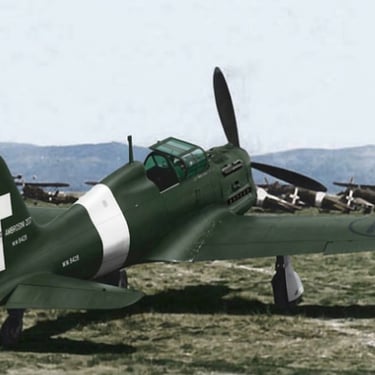
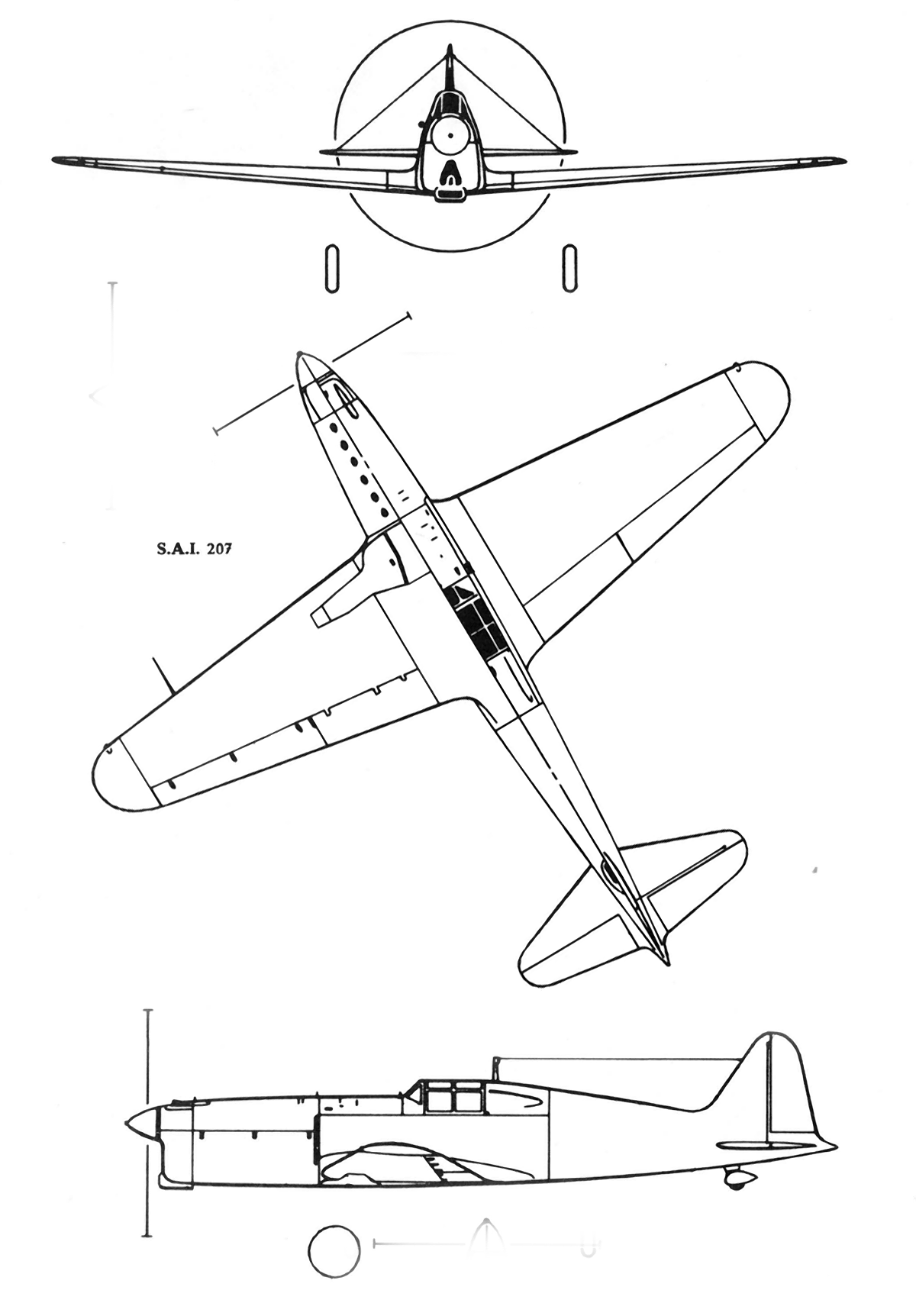
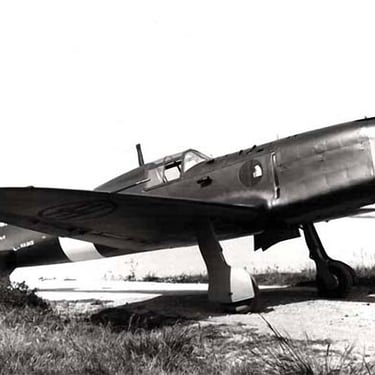
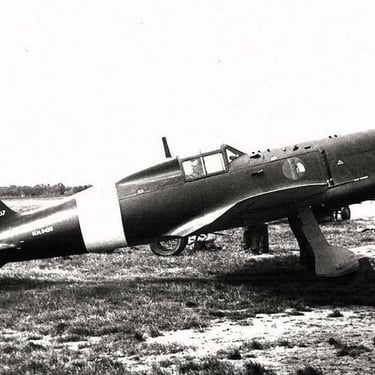
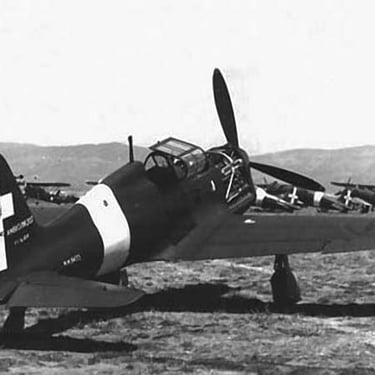
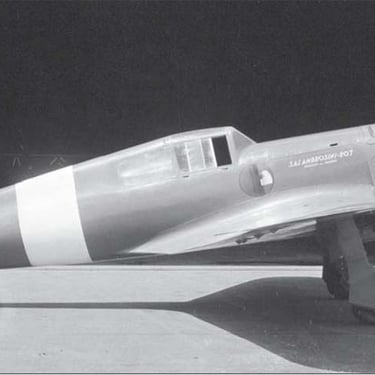
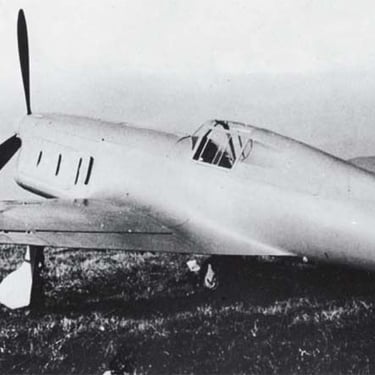
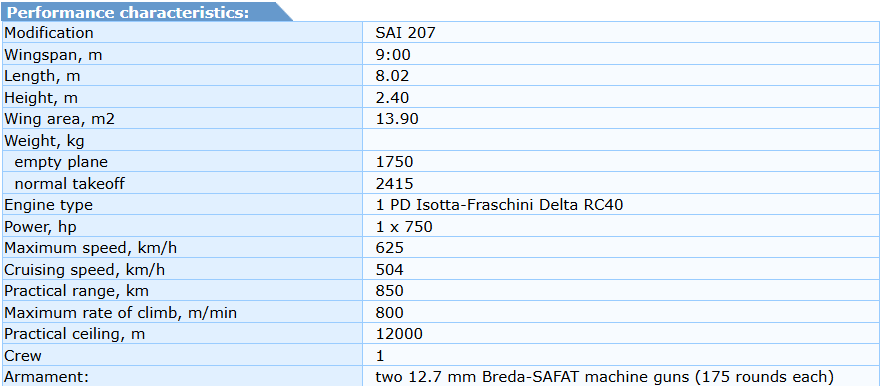
The performance of the SAI 107 fighter was quite encouraging, and without waiting for the completion of testing, the Italian Air Force ordered two prototypes of the new modification of the SAI 207 fighter for evaluation tests. The first prototype (number MM.441), equipped with an Isotta Frascini "Delta" RC.35 engine (705 hp), took off in early 1942 from the Castiglione del Lago airfield. The aircraft was piloted by Mario Faccioli. During testing, the SAI 207 demonstrated simply impressive performance – its maximum speed reached 630-640 km/h, and its ceiling reached 12,000 meters. According to the pilot, the speed in a dive could reach almost 960 km/h, although the officially recorded 750 km/h is more realistic! Such impressive performance characteristics had a huge impact on the Air Force command. The high-speed SAI.207 was ideal for the role of a high-speed interceptor, especially given the growing power of Allied air power. The life of the first prototype and its pilot ended tragically on December 5, 1943 – the aircraft crashed, burying Mario Faccioli in the wreckage.
An accident interrupted the testing cycle for almost a year, and the second prototype (MM.442) only flew in the spring of 1942. This prototype featured a full complement of armament (two 12.7mm and two 7.7mm machine guns) and a more powerful Delta RC.40 engine. The data obtained two years earlier was confirmed, and the SAI.207 was recognized as the best fighter in its category.
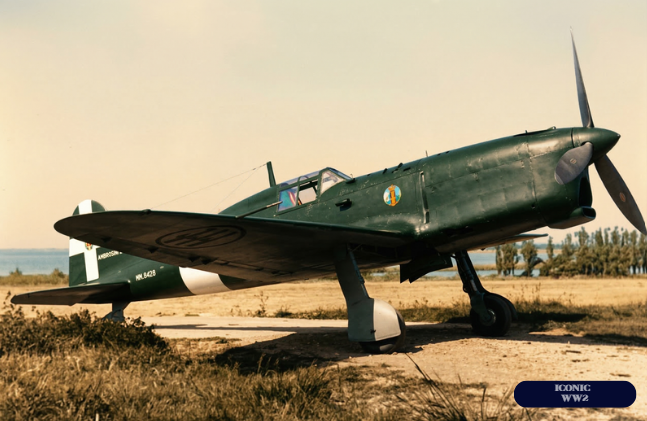
The Italian Air Force immediately ordered a pilot batch of 12 aircraft (numbers MM.8425 - MM.8436), built between March and June 1943. The 83a Squadriglia of 18o Gruppo CT and 3o Stormo CT were selected for the first stage of operational testing. The first fighters began arriving on June 1, 1943, and remained there until September. Six SAI 207s were then transferred to 162a and 163a Squadriglia of 161o Gruppo CT. None of them were able to take off immediately, as they required repairs – their wooden fuselage and wing sections had been damaged during transport.
The opinions of the pilots who flew the SAI.207 were positive (although not everyone completely trusted the wooden machine), but it was not possible to test the fighter in combat conditions - the management of the Regia Aeronautica had already matured plans for large-scale production of an improved modification of the SAI 403 fighter, which also received the sonorous name "Dardo" ("Arrow").
Only two aircraft (MM.8425 and 8433) flew south and saw combat. Two more were disassembled and packed for long-distance transport; according to unconfirmed reports, the customer was Japan. This was the end of the aircraft's history; most of the aircraft were dismantled in 1946.