Ambrosini Sai-403 Dardo
Developer: Ambrosini
Country: Italy
First flight: 1942
Type: Fighter
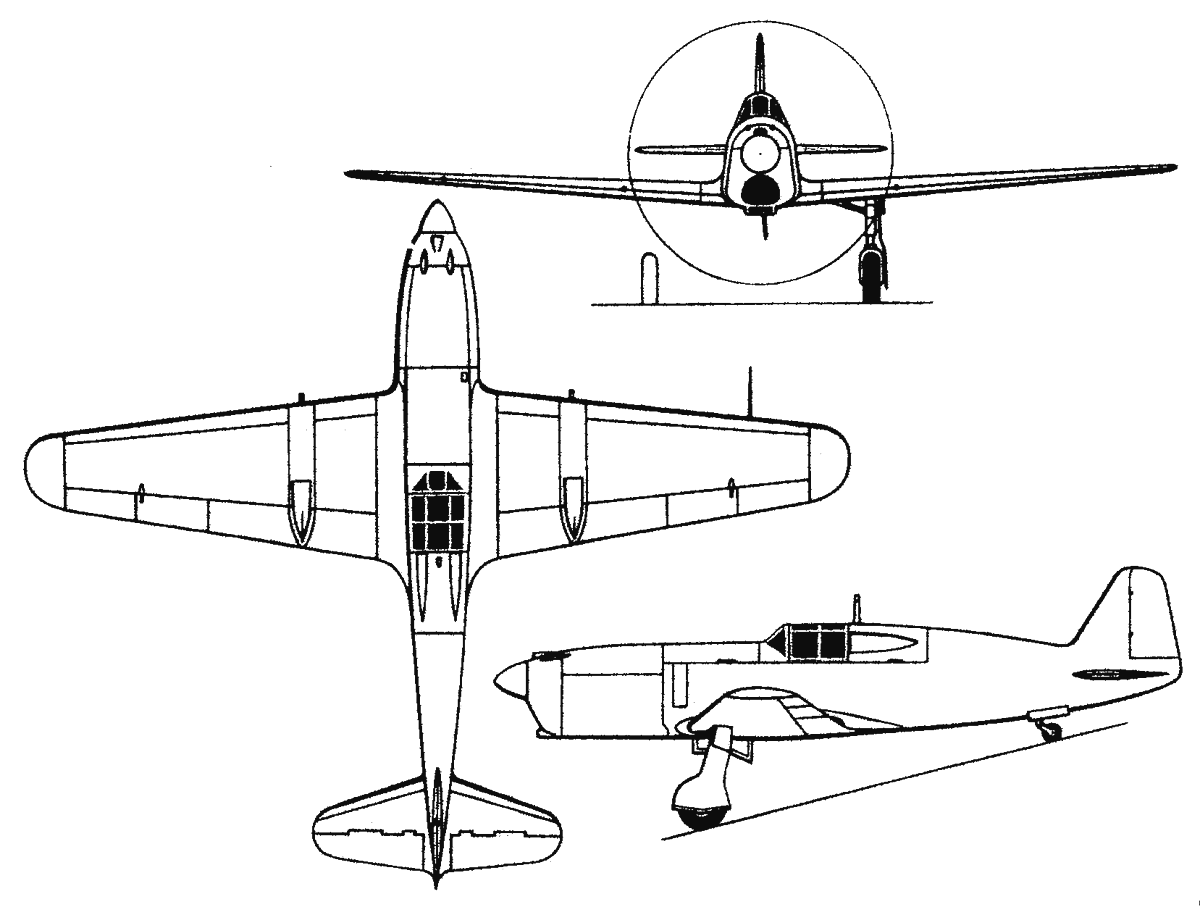
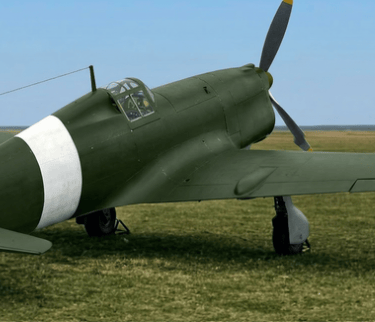
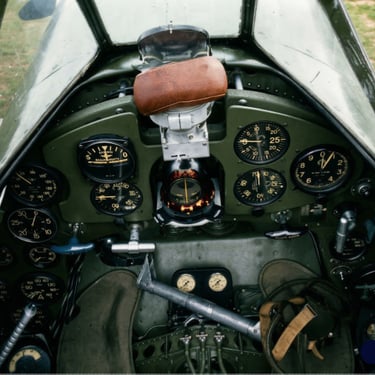
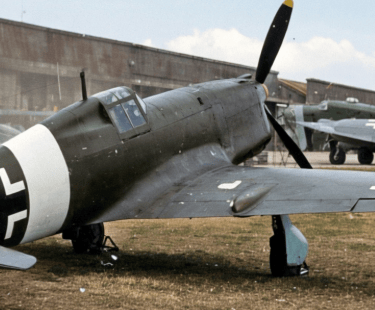
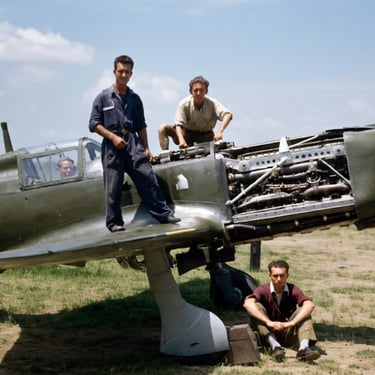
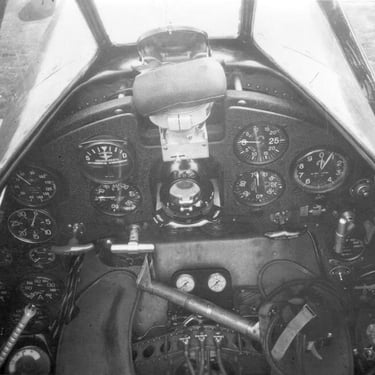
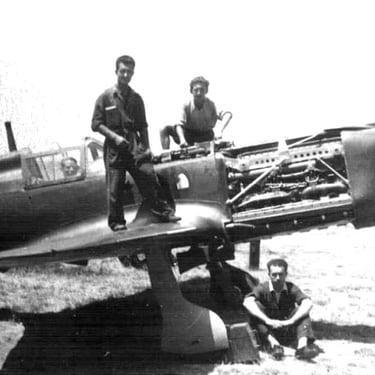
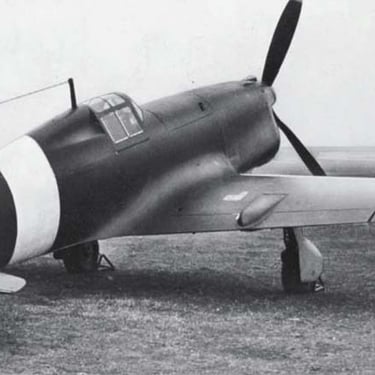
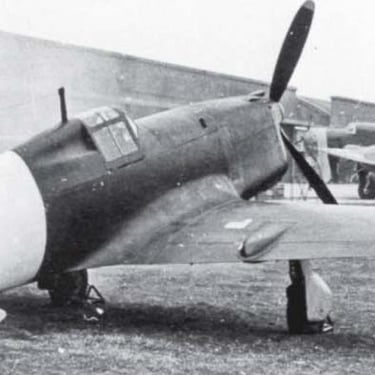
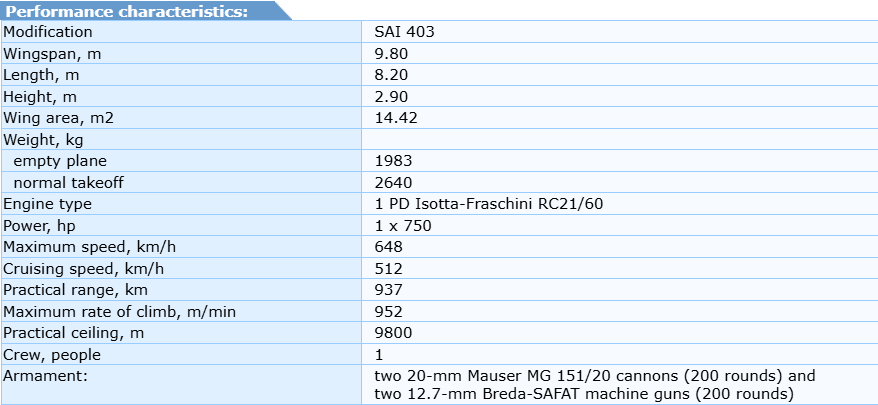
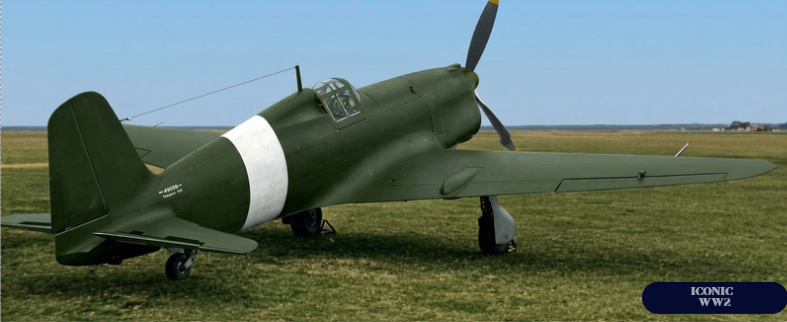
The SAI 403 project was presented in early 1942. It differed from the SAI 207 in having a slightly modified fuselage and tail unit, a larger wing, and a new Isotta-Fraschini "Delta" RC.21/60 engine with a three-bladed Piaggio constant-pitch propeller. The aircraft's design was maximally adapted for serial production. Regarding performance characteristics, SAI-Ambrosini promised an even greater increase in speed while maintaining the same flight characteristics, which was subsequently confirmed by prototype testing. Initially, the Italian Air Ministry ordered 2,000 production copies of the SAI 207, but in January 1943, plans changed in favor of establishing production of 3,000 SAI 403. The orders were distributed as follows: SAI-Ambrosini - 800, Caproni - 1,000, SIAI - 1,200 aircraft.
Several variants of the fighter were developed:
The Dardo A is a fighter-interceptor armed with two synchronized 12.7 mm Breda-SAFAT machine guns with 350 rounds per barrel and a takeoff weight of 2,478 kg.
"Dardo"B - a fighter with enhanced armament, consisting of two 15-mm Mauser MG 151/15 machine guns in the fuselage and two 20-mm MG 151/20 cannons in the wing, it was supposed to carry two 150-liter drop tanks.
The Dardo C was a light, long-range fighter, armed with two machine guns in the wing and the ability to carry two 150-liter drop tanks under the wing. The aircraft had a design range of up to 2,230 km.
These grandiose plans were never realized. The first prototype, the SAI 403 (due to considerable confusion, it never even received a registration number, although other sources claim it was MM.518), a B variant, was built by the end of 1942 and first flew in January 1943. The aircraft was demonstrated to German representatives who were present during the tests, and several Luftwaffe pilots took it for a test flight. A Japanese pilot, who was in Germany at the time, also made several flights in the SAI 403.
The first flights showed that the new wings were flawed – they made the aircraft more maneuverable, but they also created unpleasant vibrations at high speeds, which led to the plane crash.
Despite this, as with the SAI 207, test pilots were virtually unanimous in their opinion: the fighter needed to be put into serial production immediately. The Italian allies were particularly pleased with the fact that the SAI 403's production did not require the use of strategically important materials, as the fighter's structure was largely wooden and could withstand significant G-forces.
In the summer of 1943, SAI-Ambrosini had almost finalized agreements for licensed production of the SAI 403 at Heinkel factories in Germany and Mitsubishi factories in Japan. However, in September, everything fell apart. By signing an armistice with the Allies, the new Italian government effectively split the country in two. Quickly grasping the situation, the German command disarmed the Italian army within days and ferried the vast majority of aircraft remaining in occupied territory to Germany. The SAI-403, stationed at an airfield in northern Italy, did not escape this fate. The Germans continued testing it, but this time at their own test center, where, since 1944, traces of the fighter have been lost. In all likelihood, it may have been destroyed in another Allied air raid.
Regarding the serial production of the SAI 403, there is no consensus. It is certainly possible to assume that a small series of fighters was laid down before the capitulation, with some Western historians tending to put the number of aircraft assembled at 50 (as in the case of the German Ta-154 – 21 aircraft, including prototypes, were produced, but some claim the number was increased to 40-50). However, even if this is true, there is no information confirming their use or even testing.