Bristol "Beaufighter"
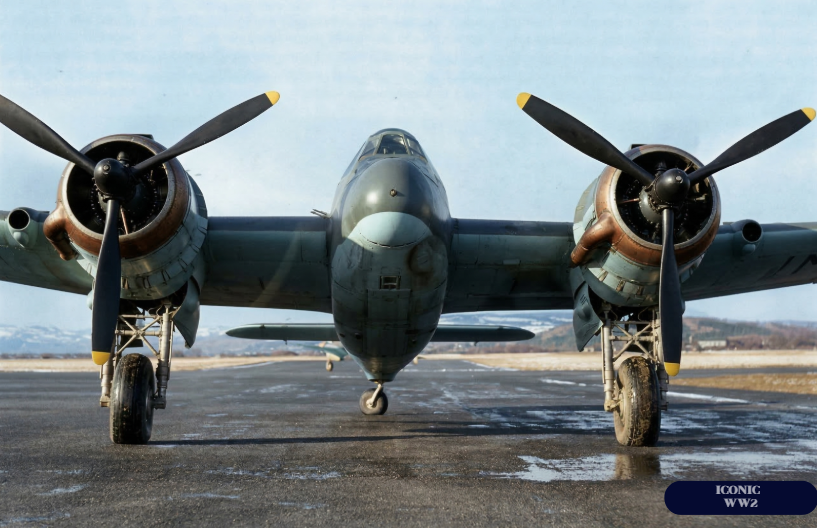
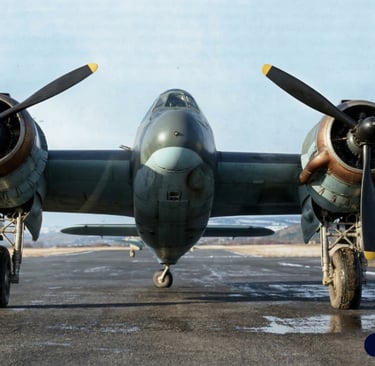
Developer: Bristol
Country: United Kingdom
First flight: 1941
Type: Light-Bomber/ Heavy Fighter / Torpedo Bomber
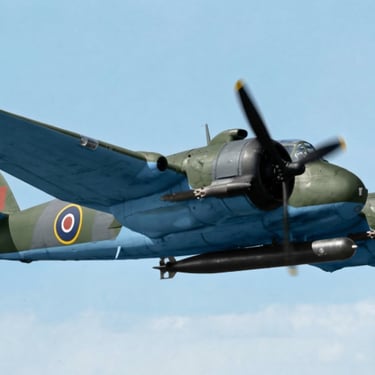
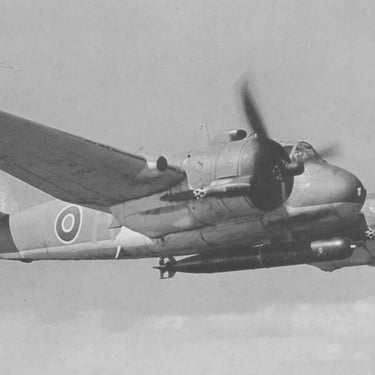
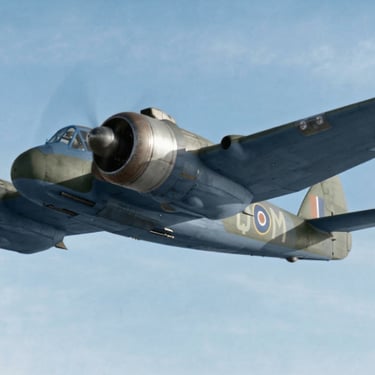
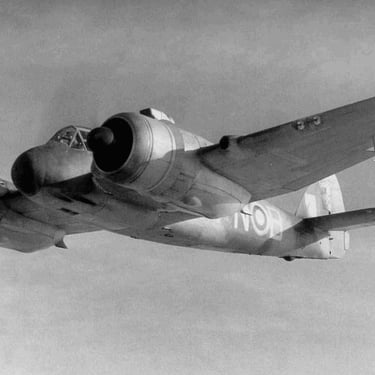
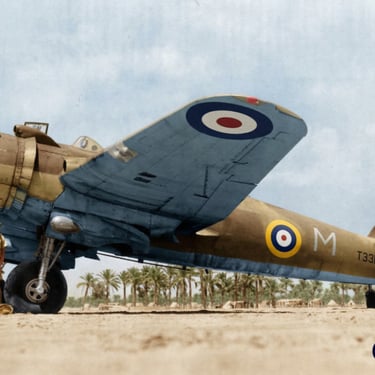
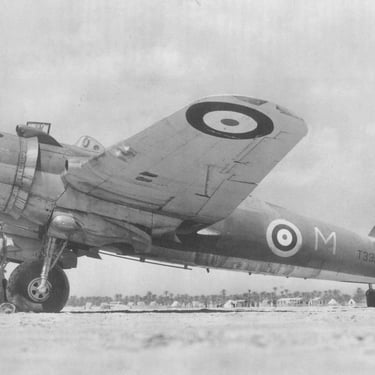
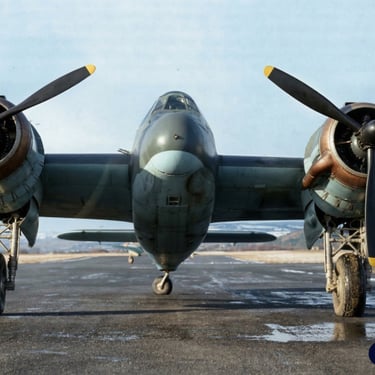
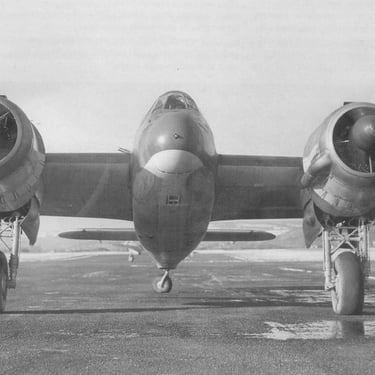
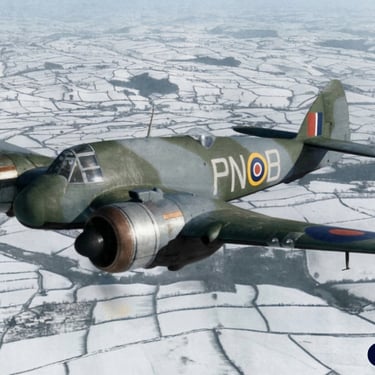
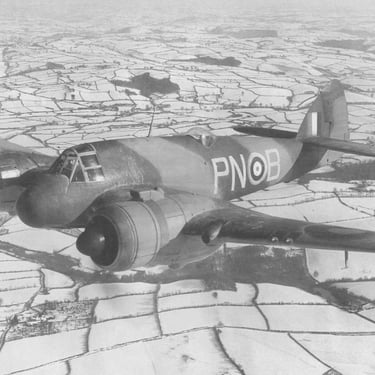
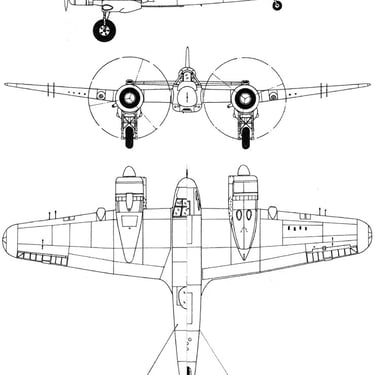
Bristol Type 156 “Beaufighter”
The Bristol Type 156 Beaufighter originated from a pragmatic and highly effective design solution developed within the Bristol Aeroplane Company under the direction of Roy Fedden and Leslie Frise. By the late 1930s, Bristol had essentially completed the development of the Beaufort torpedo bomber, and it was therefore decided to utilize its principal structural components—wings, tail assembly, and landing gear—in the creation of a long-range heavy fighter. The design also incorporated Bristol’s Hercules sleeve-valve radial engines, chosen for their robustness and reliability. Preliminary proposals, prepared within a matter of days, were submitted to the Air Ministry on 8 October 1938 and quickly resulted in an order for four prototypes.
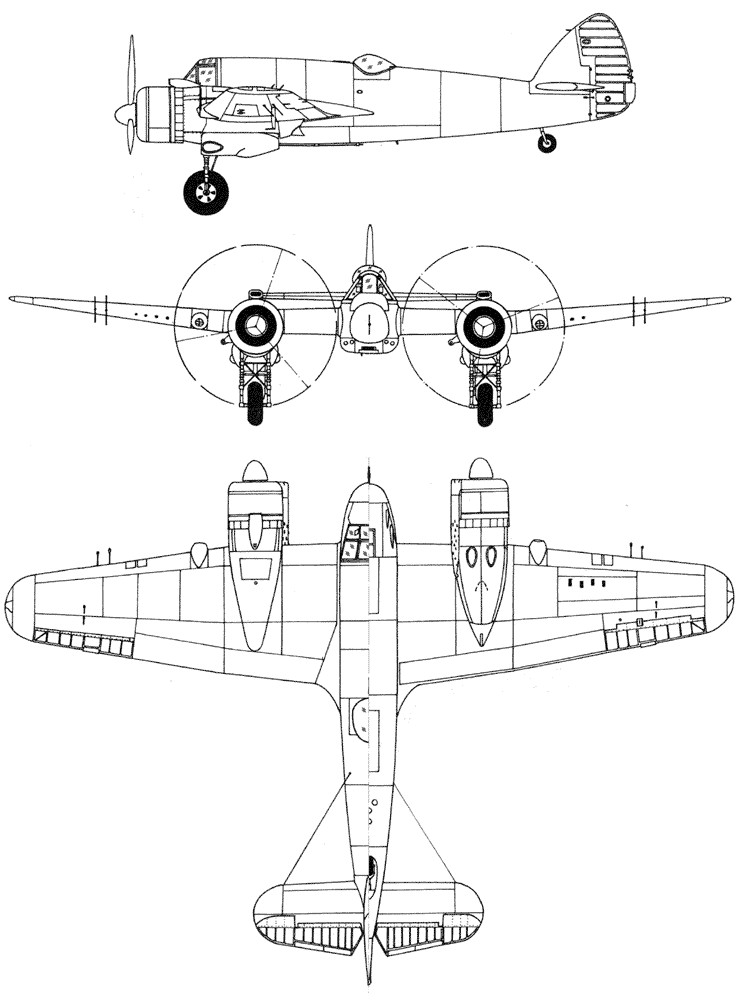
The first prototype flew on 17 July 1939. It was a mid-wing cantilever monoplane of all-metal construction, with fabric-covered control surfaces, a conventional fuselage and tail layout, and a retractable landing gear with a tailwheel. Power was provided by two Hercules radial engines, with different variants tested across the prototypes, the later examples being fitted with Hercules II units.
Early evaluations revealed that the airframe itself was fundamentally sound, while concerns focused primarily on engine performance. The first prototype achieved the projected speed of approximately 539 km/h at an altitude of 5,120 meters, whereas the second fell short by about 7.5%. This discrepancy was particularly notable given that both aircraft were operating without payload. The anticipated installation of Hercules III engines, rated at 1,400 horsepower, offered only limited improvement, leading to the adoption of the more powerful Hercules XI, a boosted version operating on 100-octane fuel.
Armament constituted a defining feature of the Beaufighter’s operational concept. The Mk IF variant was conceived as a night fighter, taking advantage of sufficient internal space to accommodate airborne interception radar. Consequently, heavy firepower was required to ensure the rapid destruction of enemy aircraft once contact had been established. The standard configuration comprised four 20 mm cannons mounted in the nose, supplemented by six 7.7 mm machine guns in the wings, along with an AI Mk IV radar installed in the forward fuselage. The scale of production led to the establishment of multiple assembly lines, including facilities at Filton, Weston-super-Mare, and Stockport.
Although the first production aircraft flew on 7 February 1941, Beaufighters had already entered Royal Air Force service in July 1940. Their first recorded combat success occurred on 19 November, when a Junkers Ju 88 was intercepted and destroyed. Initial night interception operations, relying solely on onboard radar, proved only partially effective; significant improvement followed the introduction of ground-controlled interception systems, which guided fighters toward enemy aircraft.
As operational experience increased, the Beaufighter demonstrated considerable adaptability. Aircraft were modified for service in the Mediterranean and desert environments, with enhancements aimed at improving range and reliability under harsh conditions. Variants for Coastal Command were also developed, equipped with specialized navigation systems and configured for maritime strike operations.
The heavy demand for Hercules engines, which also powered the Short Stirling, prompted the exploration of alternative powerplants. Some airframes were fitted with Rolls-Royce Merlin inline engines produced by Rolls-Royce. These installations yielded slightly improved performance but introduced directional instability due to a shift in the center of gravity. This issue was resolved through modifications to the tailplane, leading to the Mk II variant, which, however, remained of limited production significance.
A major step forward came with the introduction of the Hercules VI engines, which powered the widely produced Mk VI variant. This version proved exceptionally versatile, capable of fulfilling roles as a night fighter, fighter-bomber, and maritime strike aircraft. It could be equipped with bombs, rockets, or additional fuel tanks depending on operational requirements.
One of the most significant developments was the adaptation of the Beaufighter as a torpedo bomber. Trials conducted in 1942 led to the creation of the so-called “Torbeau,” a configuration that combined the aircraft’s speed and durability with the striking power of aerial torpedoes. This variant became one of the most effective weapons in anti-shipping warfare.
Subsequent versions, notably the TF Mk X, further refined the aircraft’s capabilities, particularly in anti-shipping and anti-submarine operations, aided by improved radar systems. In 1945, Beaufighters demonstrated remarkable effectiveness in such roles, contributing to the destruction of multiple German U-boats within a short period.
Total British production reached approximately 5,500 aircraft, supplemented by 364 units built under license in Australia. In the post-war period, many surviving Beaufighters were converted for secondary roles such as target towing, remaining in service until 1960.
Overall, the Beaufighter stands as one of the most successful and versatile aircraft of the Second World War. Conceived as an expedient adaptation of an existing design, it evolved into a highly capable multirole platform, equally effective in night air defense, ground attack, and maritime operations across multiple theatres of war.
Modifications:
Beaufighter Mk I – The first production fighters, including prototypes. They were equipped with Hercules II (the first 180 aircraft) and Hercules VI engines.
The Mk I served with twenty-eight squadrons of the Royal Air Force in various sectors of the Second World War. A total of 954 aircraft of this modification were built.
Beaufighter Mk IF – Two-seat night fighter. The AI (Airborne Intercept) Mk IV search and targeting radar of the radar system was located in the nose of the fuselage. The main antenna was mounted on the aircraft, in the nose, and receiver whip antennas were located on both wingtips. The radar indicator was located in the operator's cabin, who, when aiming, gave the pilot commands, giving him the direction, range, and course of the target.
Beaufighter Mk IC – The letter "C" designated aircraft developed for Coastal Command. Bomber version. It was used as a long-range fighter, striking enemy bases and shipping from the coast of England to Norway. To ensure longer flight endurance, additional fuel tanks were installed in the wing instead of machine guns. To facilitate navigation during long flights over sea, a navigation table was installed in the rear cockpit, and a radio compass antenna was installed in place of the film-photo gun gun.
Beaufighter Mk II – An aircraft with Rolls-Royce Merlin XX engines, as Hercules engines were used for the Short Stirling bomber, whose production program had a higher priority. This modification was considered a backup (in case of interruptions in the supply of Hercules engines). Production of this modification ended in July 1942. 450 examples of the night fighter variant were manufactured.
Beaufighter Mk IIF – Night fighter.
Beaufighter Mk III/IV – Aircraft with a stretched fuselage, armed with six cannons and six machine guns. The project was never built.
Beaufighter Mk V – The fighter was equipped with a four-barrel machine gun turret manufactured by Boulton Paul, along with a pair of cannons and wing-mounted machine guns. A turret with four Browning machine guns was mounted behind the pilot's cockpit. The wing-mounted machine guns and two cannons were removed. The blister above the second crew member's cockpit was replaced with a flat, transparent panel. This modification was not put into production. Two aircraft were built.
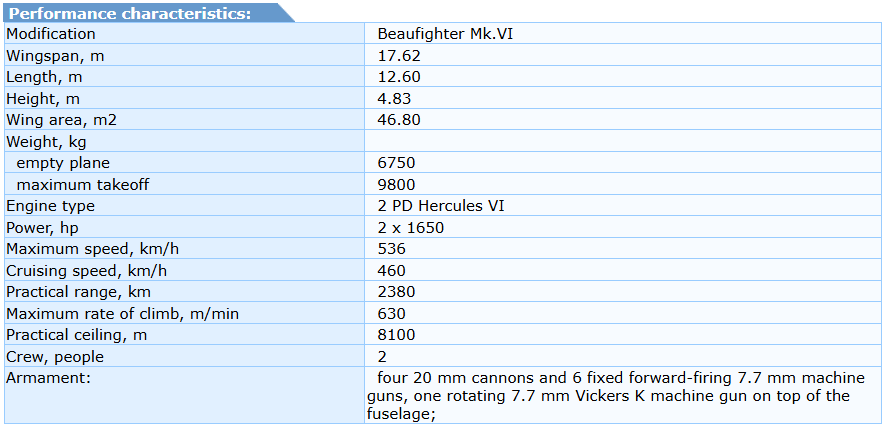
Beaufighter Mk VI – A mass-produced modification with Hercules VI engines producing 1,670 hp. To protect the rear hemisphere, a machine gun was installed in the rear cockpit. Bomb racks were installed on the aircraft. AI centimeter-wave radars were installed in the forward fuselage. 1,831
Beaufighter Mk VICs were built.– A modification for Coastal Command. Additional fuel tanks gave the fighter a range of 2,910 km. The aircraft was equipped with low-altitude Hercules XVII engines, which improved the aircraft's performance when flying at low altitudes near the ground and water. This allowed it to attack enemy ships from an altitude of 150 m and below. 693 aircraft were produced.
Beaufighter Mk VIF – A modification of the night fighter with a range of 2,380 km. The aircraft was equipped with an AI Mk.VIII radar. 1,078 units were produced.
Torpedo Bomber "Torbeau" – A modification of the Mk VI torpedo bomber, it was equipped with additional hardpoints, which could carry a British 45 cm torpedo, or an American 55 cm torpedo.
Beaufighter Mk VI (ITF) – An intermediate version of the torpedo bomber.
Beaufighter TF Mk X – Two-seat torpedo bomber for Coastal Command. The final major modification – 2,231 aircraft were built. This modification became an excellent multirole aircraft. When attacking naval targets, this aircraft could carry two 500 lb (226 kg) bombs under the fuselage and one 250 lb (113 kg) bomb under each wing instead of a torpedo. One of the best torpedo bombers of World War II.
Beaufighter Mk XIC – A modification for Coastal Command without a torpedo release mechanism. The aircraft featured a reinforced wing, on which two 1,000 lb (454 kg) bombs were suspended. 163 aircraft were built.
Beaufighter Mk 21 – DAP Beaufighter – Australian-made Beaufighter. The aircraft was based on the Beaufighter Mk X and was equipped with Hercules XVIII engines and had a positive dihedral angle between the stabilizers. A massive fairing was placed in front of the cockpit windshield, which housed the Sperry gyroscopic autopilot. Armament: four 20 mm cannons in the nose, four 12.7 mm machine guns in the wings; it could also carry eight 5-inch HVAR rockets, two 250 lb or two 500 lb bombs, or one Mk 13 torpedo. The first Australian-built aircraft took to the air on May 26, 1944, and 364 aircraft were produced by the end of 1945.
Beaufighter TT Mk 10 - Post-war modification - target towing. The aircraft was equipped with a towing winch driven by a wind turbine. From 1948 to 1950, thirty-four aircraft were converted to this modification. They were in service with five squadrons based in the UK and the Middle East.
Beaufighter Mk XII – A modification of the Mk X, equipped with a Hercules XVII engine. The aircraft featured a reinforced wing to accommodate two 453 kg (1,000 lb) bombs. This modification was not put into production due to a shortage of Bendix carburetors. The final modification of the Beaufighter.