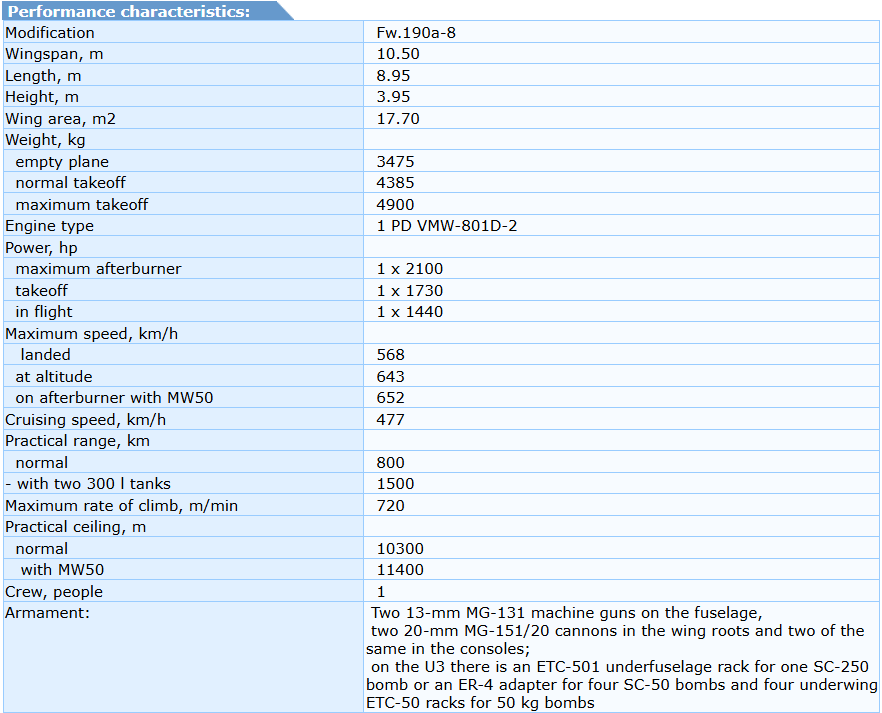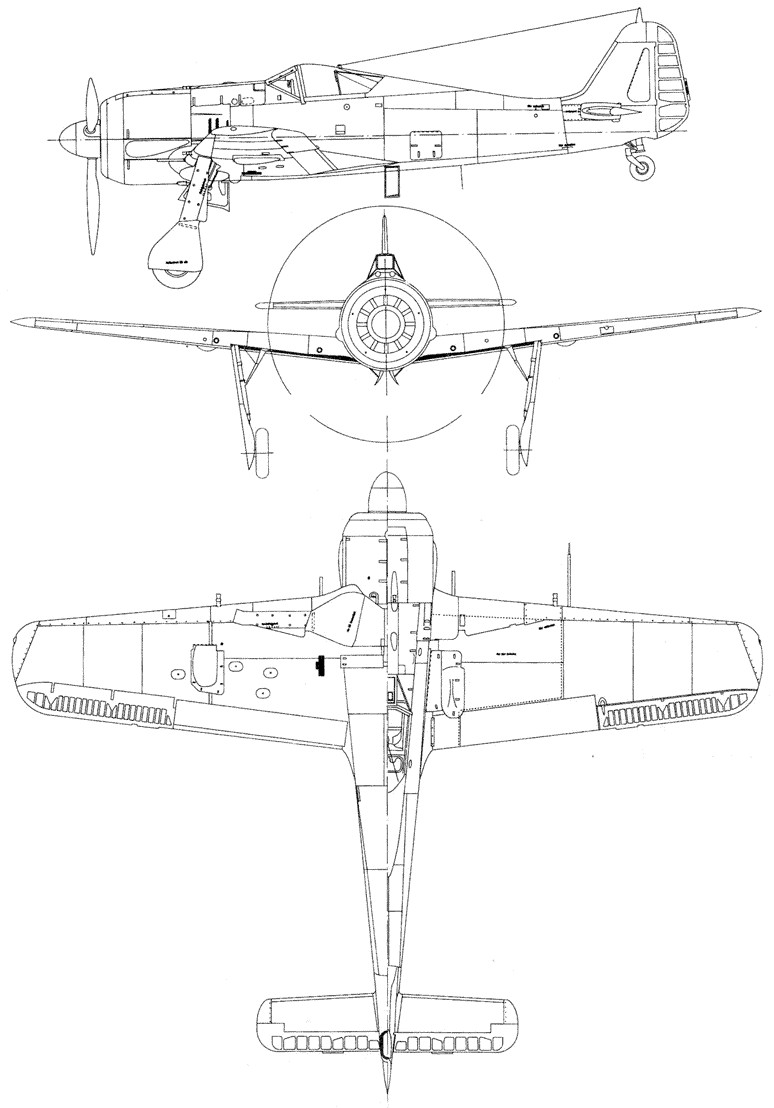
Focke-Wulf "Fw-190", Fighter
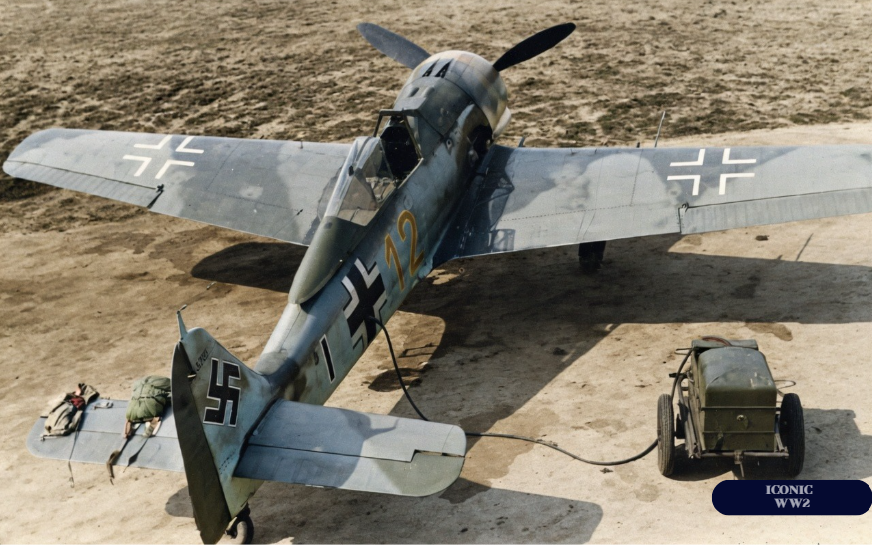
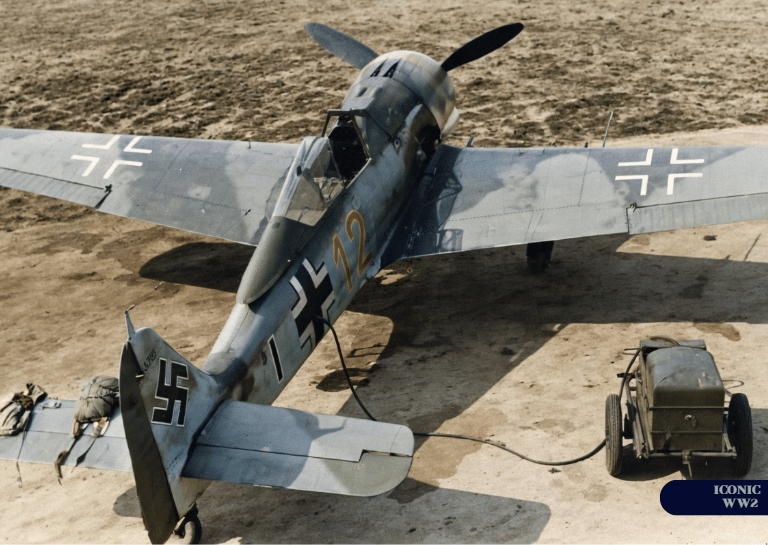
Developer: Focke-Wulf
Country: Germany
First flight: 1939
Type: Fighter
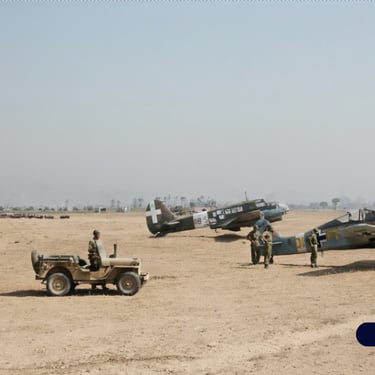
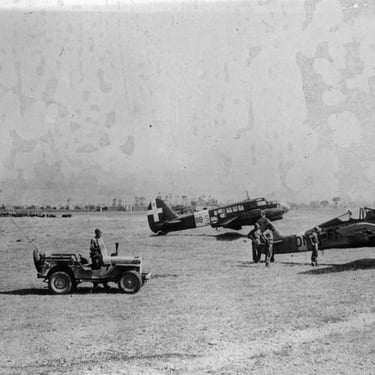
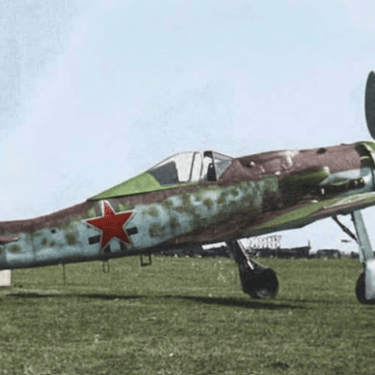
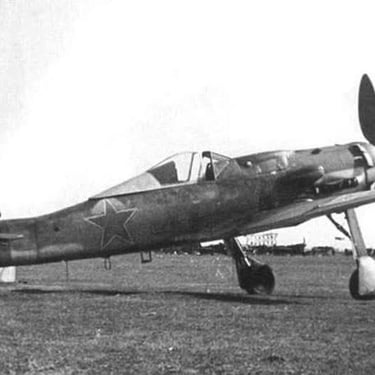
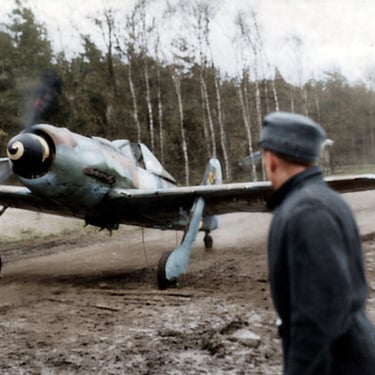
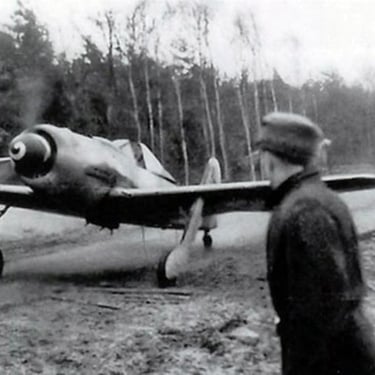
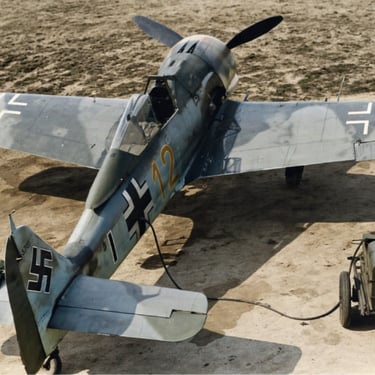
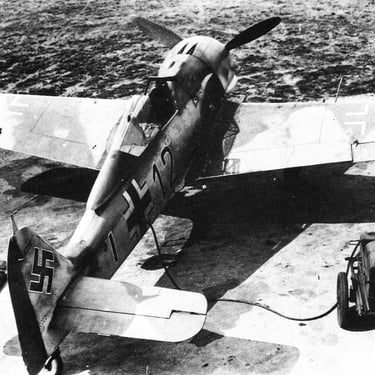
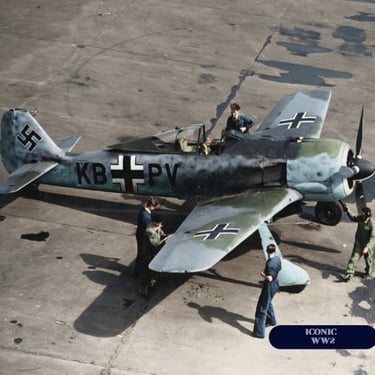
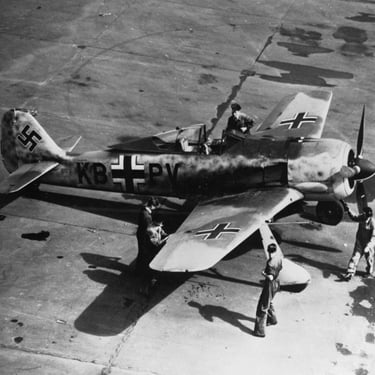
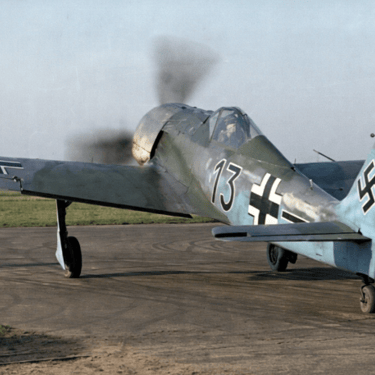
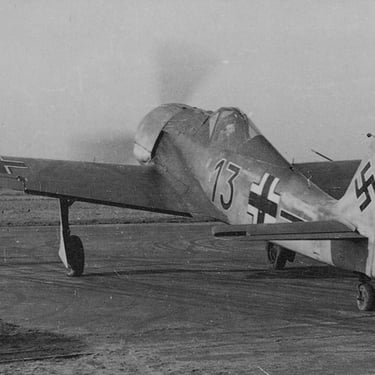
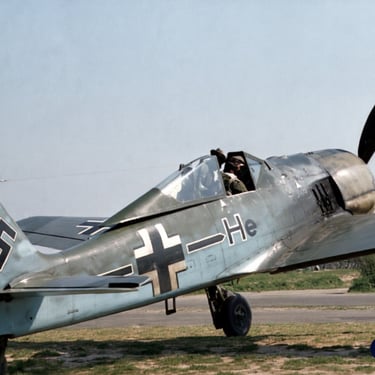
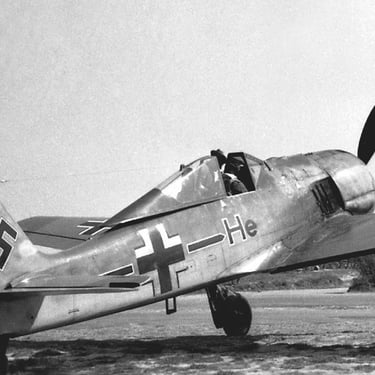
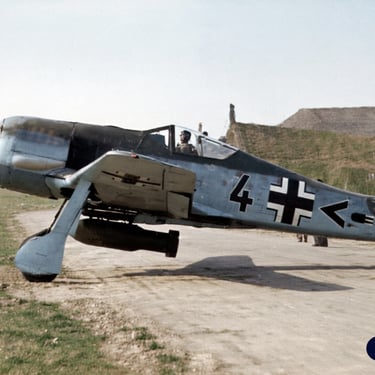
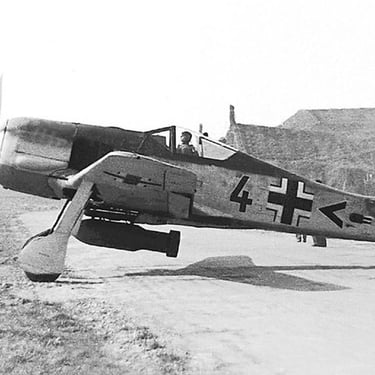
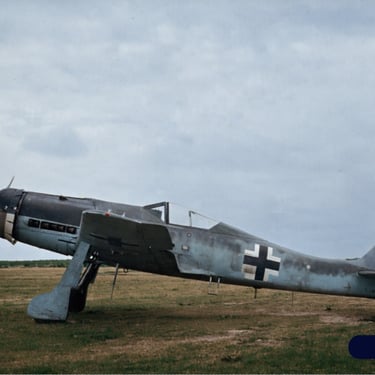
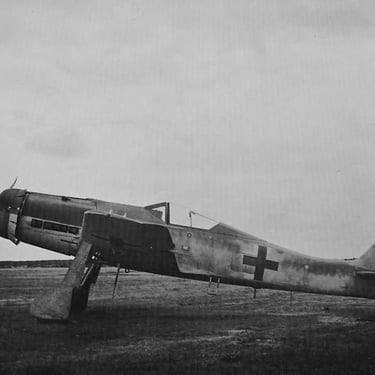
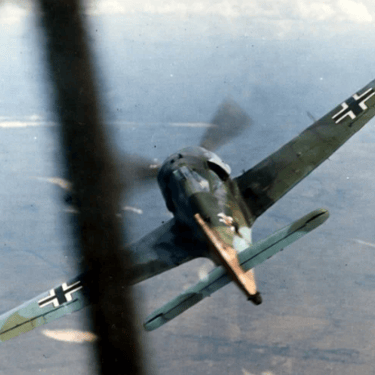
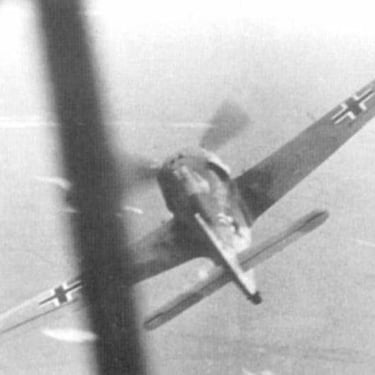
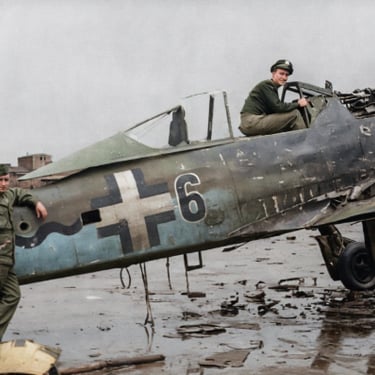
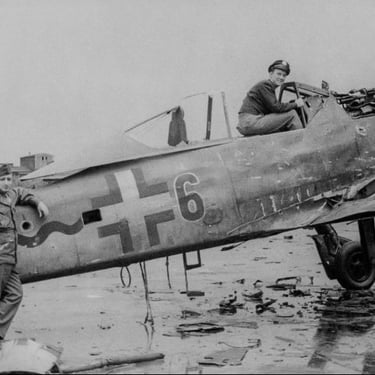
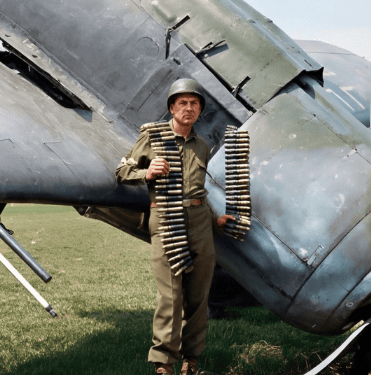
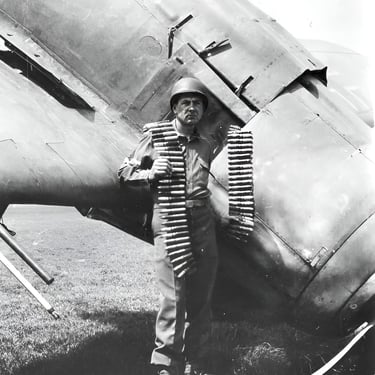
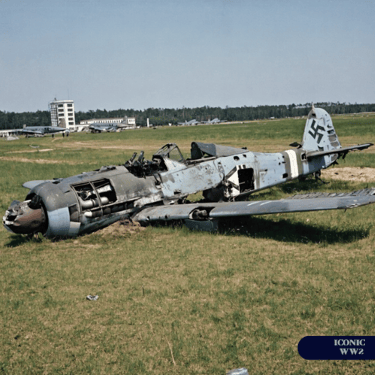
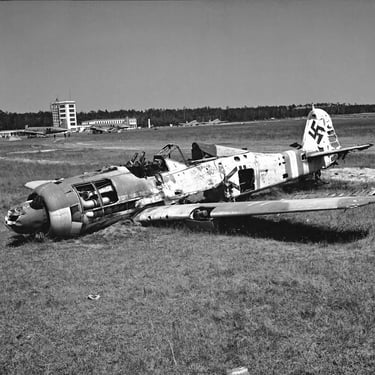
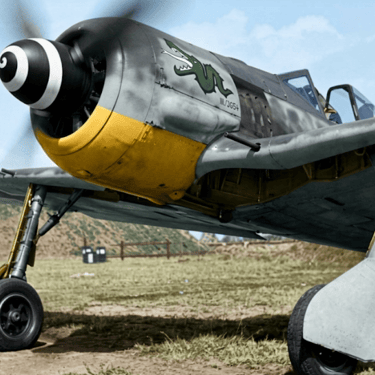
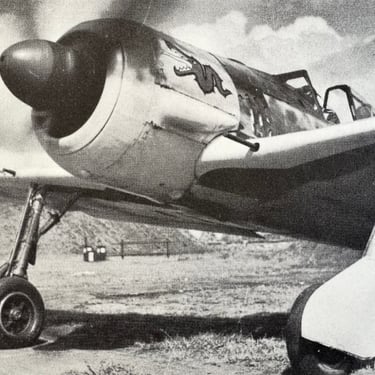
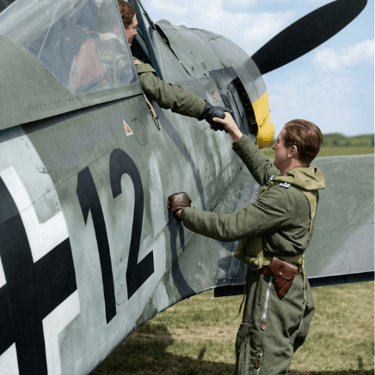
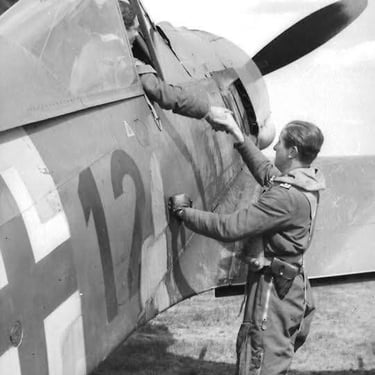
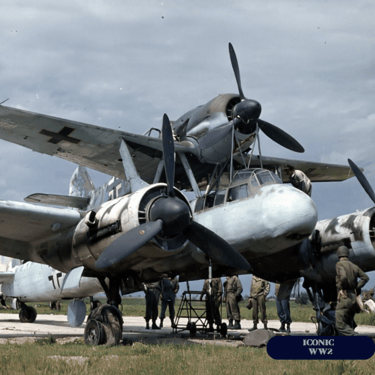
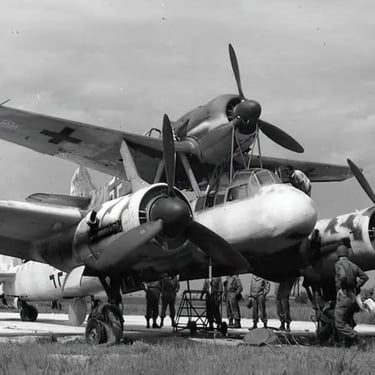
Focke-Wulf Fw.190 fighter
It's long been axiomatic that when a combat aircraft enters service, its potential successor must already be on the drawing board. So it's no surprise that in early autumn 1937, just a few months after the Bf.109B fighter entered service with the Luftwaffe, the Technical Department was faced with a new challenge: developing specifications for the next aircraft in this class. This didn't garner much support from Luftwaffe headquarters, and even within the department itself, some members were less than enthusiastic about the matter. Nevertheless, the forward-thinking members of the Technical Department persisted in their plans. By the spring of 1938, the Luftwaffe headquarters' complacency was shattered by intelligence about new foreign developments and information about several operational defects in the Bf.109. As a result, work began on developing specifications for a new single-seat fighter. Focke-Wulf Flugzeugbau, which in the eyes of RLM had strengthened its reputation as a promising company with a strong design team, was asked to prepare designs for what some still considered the “fifth wheel of the cart.”
Within a few weeks, Kurt Tank had put forward a number of alternative proposals. Most of his designs called for a liquid-cooled engine, which was considered essential for a fighter at the time due to its small nose and lower aerodynamic drag. But Tank also proposed a fighter powered by a powerful 18-cylinder air-cooled engine, the BMW-139, which was undergoing rig testing at the Bayerische Motorenwerk. Many in the Technical Department disagreed with this idea, believing that such an engine would significantly impair aerodynamics and also reduce forward visibility during takeoff and landing. Nevertheless, Tank managed to convince the Technical Department to choose an aircraft with a BMW-139 engine over the other options. His arguments, in addition to the greater durability of the air-cooled engine, included: first, the supply of powerful liquid-cooled engines was a bottleneck in aircraft production in Germany; Second, the BMW-139, although still in testing, had already demonstrated greater power than the DB-601 and Jumo-211 could achieve in the next two years. Unable to resist these arguments, the Technical Department signed a contract for three experimental fighters with a radial engine, designating the aircraft the Fw.190. Design of the new fighter, which Tank christened the Würger (Vulture), was entrusted to Senior Engineer R. Blaser. Since this work was initially not a high priority, Blaser's designers, including Senior Engineers Mittelnüber from the Design Department and Küttcher from the Engineering Department, subordinated the aircraft's development to a single logical concept. In addition to precision and thoughtfulness in the elaboration of details, the fundamental idea of the aircraft was to achieve the greatest possible simplicity and integrity of design compared to its predecessors. This would facilitate aircraft maintenance and the organization of production in "shadow" factories with the extensive involvement of subcontractors. The result was an extremely compact, well-proportioned, and aesthetically pleasing aircraft, concealing a large-forehead engine—a fine example of engineering—within the smooth contours of the fuselage. All dimensions were kept to a minimum, and this attempt to achieve maximum compactness nearly ruined the fighter. To achieve the shortest possible fuselage length, the twin-row engine was mounted directly on the firewall on an extremely short engine mount. To maintain the center of gravity, this forced the pilot's cockpit to be positioned just behind the firewall, in close proximity to the engine. Besides the risk of extremely high temperatures in the cockpit, this precluded the installation of the main armament on the fuselage, a fundamental principle of the Luftwaffe. However, the only alternative for the Focke-Wulf designers was a heavier and oversized fighter. Fortunately, during work on the prototype, Bayerische Motorenwerke developed a new, even more powerful twin-row engine, the BMW-801.Although the new engine had virtually the same diameter, it was significantly longer and heavier, and produced more power. Furthermore, the BMW-139 failed to live up to initial expectations, and Bayerische Motorenwerke was forced to discontinue work on it and concentrate on the BMW-801. Throughout the spring of 1939, discussions took place between the Technical Department and Focke-Wulf regarding the possibility of installing a new engine in the Fw.190. Focke-Wulf's fighter was heavily dependent on the BMW-139, and a change of engine would have required a significant redesign of the aircraft, as well as an increase in size and weight. Nevertheless, in early June, the decision was made to replace the engine, and two weeks after testing of the Fw.190-V1 began, Bayerische Motorenwerke's decision to discontinue development of the BMW-139 was approved. It is quite possible that ground testing of the Fw.190-V1 also influenced this decision. During these tests, cabin temperatures reached unacceptable levels, and the need for significant design changes allowed the designers to simultaneously address key issues and eliminate the shortcomings of the fighter's basic layout revealed during testing. As a result, a mediocre combat aircraft was transformed into one of the outstanding fighters of World War II. In addition to the order for three prototype aircraft, Focke-Wulf had by this time received an order for a fourth aircraft as a prototype for production. A proposal was also made to prepare a base for a batch of 40 aircraft. The Fw.190-V1 was already completed, the V2 was in the final stages of assembly, the V3 had just begun, and the V4 was in the preparatory stage. The decision was made to discontinue work on the last two aircraft and begin work directly on the Fw.190-V5, powered by a BMW-801 engine. In May 1939, the Fw.190-V1 (factory number 0001) was rolled out of the workshop and began airfield testing under the control of Hans Sander from the flight test department. The engine was an 18-cylinder, two-row BMW-139 star with a three-bladed VDM variable-pitch propeller and a large ducted spinner. The fuselage was an all-metal monocoque, the wing was one-piece with a span of 9.5 m and an area of 14.4 sq. m. With a takeoff weight of 2770 kg and an engine power of 1550 hp, the wing loading was 185 kg/m2, and the power loading was 1.72 kg/hp. Under the registration D-OPZE, the aircraft made its maiden flight on June 1, 1939. From the very beginning, the Fw.190-V1 demonstrated excellent lateral controllability and a high roll rate. The 10-blade engine cooling fan, driven by the gearbox and rotating at three times the speed of the propeller, was not ready for installation. As a result, the cabin was intensely heated by the rear row of engine cylinders. Since the canopy could not be moved either in flight or even during taxiing, the pilot was forced to wear an oxygen mask at all times. During the first flights, the cabin temperature rose to 55°C. In his post-flight report, Zander mentioned that his legs literally felt like they were on fire. Another cause of discomfort was exhaust gases entering the cabin. It was believed thatIt was believed that engine cooling could be improved by installing a fan. The problem of exhaust gases in the cabin was also solved by increased ventilation. After just five flights, Sander's Fw.190-V1 was transported to Rechlin, where it was flown by the Luftwaffe's most experienced pilots, who echoed Sander's conclusions about the aircraft's excellent handling. During testing at Rechlin, a maximum level flight speed of 590 km/h was recorded. However, engine overheating continued to be a concern. Shortly after arriving in Rechlin, its civil registration was changed to the callsign FO+LY. After completing handling tests, the aircraft returned to Focke-Wulf for installation of a fan, armament, and minor modifications.
Focke-Wulf blamed the engine for the problems, while BMW blamed Focke-Wulf. Engine manufacturers claimed insufficient attention was paid to engine cooling. The fighter's defects were so severe that the RLM commission proposed halting the entire Fw.190 program. According to JG.26 technician Ernst Buttmer, the key to solving the problems lay in close collaboration between aircraft and engine manufacturers. As a result, up to 50 different design changes were made, after which the aircraft was accepted into service. While testing was underway at Le Bourget, the first production Fw.190A-1s began rolling off the assembly line in Marienburg. The first four aircraft were accepted by the Luftwaffe in June 1941, another 18 in July, and all 100 by the end of October 1941. The first Fw.190A-2 rolled off the assembly line the following month, but this modification had already been produced at the Warnemünde and Oschersleben factories in August and October. By the end of the year, these three factories had delivered 124 Fw.190A-2s. The Fw.190A-1 differed only slightly from its predecessor, the A-0—changes were made on the assembly line based on the results of testing in Rechlin. These included the installation of engine cowling latches and a pyrotechnic canopy release system, as the canopy refused to separate from the aircraft at speeds above 400 km/h. The aircraft was armed with four MG-17 machine guns, although provisions were made for the installation of a pair of wing-mounted MG-FF cannons just behind the landing gear attachment points. A pilot installation of cannons was made on the eighth "large-wing" Fw.190A-0 (#0022, Fw.190-V8). Several production A-1s also received this armament.
The Fw.190A-2 was already being considered by the Technical Department as a true production aircraft. The engine was changed to a BMW-801C-2, and MG-151/20 cannons were mounted in the wing roots, replacing the MG-17 machine guns. This necessitated the installation of wing fairings. The MG-17 machine guns on the fuselage were elevated, with an electropneumatic trigger and a 2,000-round magazine (for both) located immediately behind the engine. The MG-151 cannons, with electric triggers in the wing roots, had 200 rounds per gun in the fuselage magazine. Since the firepower was still considered insufficient, most Fw.190A-2s also received wing-mounted MG-FF cannons with 55 rounds per gun. The gunsight was a Rewi C/12d. The weapon selection system allowed the use of any pair of cannons and machine guns separately or all at once. The cockpit was cramped but offered good visibility, especially to the rear. The armored windshield was angled at 63°. The canopy was made from a single piece and slid rearward along with a small fairing. The equipment included a FuG-7 radio. Armor consisted of a 14mm headrest, an 8mm armored backrest, and small 8mm plates above and below the backrest and on its sides. The BMW-801C-2 engine produced 1,600 hp at takeoff and 1,380 hp at 4,600 m. During climb, power reached 1,460 hp. It was mounted on a welded steel-tube engine mount to a ring using flexible rubber bushings. The engine mounting ring was hollow, forming a hydraulic accumulator. There was no fuel in the wing. Two self-sealing tanks were located in the fuselage. One 230-liter wing was in front of the pilot, the other 290-liter wing was behind and below the pilot. They were separated by a main wing spar running through the fuselage. The empty weight of the Fw.190A-2 was 3,180 kg. With the MG-FF cannons installed, it increased to 3,250 kg. Takeoff weights were 3,858 and 3,980 kg, respectively. As a fighter, the Fw.190A-2 demonstrated its complete superiority over the Spitfire V. It was an inimitable fighter in the altitude range from 5,000 to 7,500 m, although the speed dropped noticeably above and below. The maximum speed at an altitude of 5,500 m reached 622 km/h. At full throttle, which could be used for one minute, the speed at an altitude of 6,000 m reached 660 km/h. At an altitude of 1,000 m, the maximum speed dropped to 515 km/h. The normal range was 900 km at a speed of 440 km/h. In the spring of 1942, deliveries of upgraded BMW-801D-2 engines began. As a result, the Fw.190A-3 began rolling off three assembly lines. Just over 400 A-2s were produced, three-quarters of which went to the Arado and AGO. Externally, the A-3 was identical to its predecessor, with the exception of the cowling latches, service hatches, and a redesigned supercharger air intake. After the first batch was delivered, exhaust louvers behind the cowling were also introduced. The BMW-801D-2 was similar to the BMW-801C-2, but the compression ratio was increased from 6.5 to 7.22. The supercharger speed was also changed, increasing emergency power to 1,700 hp at ground level, 1,440 hp at 5,700 m, and 1,500 hp during climb. Armament consisted of a pair of fuselage-mounted MG-17s.Two MG-151/20 in the wing roots and two MG-FF in the outer wings. Flight performance was significantly improved compared to the Fw.190A-2. The FuG-7a radio was supplemented with a FuG-25a transponder. During the spring and summer of 1942, the Fw.190-V8, which was re-equipped with a BMW-801D-2, underwent testing. It was used to test various underwing and ventral racks for bombs and drop tanks in either the Jabo fighter-bomber or the Jabo-Rei long-range bomber variant based on the Fw.190A-3. These tests enabled the Focke-Wulf fighter to be converted, first with "factory installation kits" and then with "field installation kits," into a fighter-bomber, reconnaissance aircraft, all-weather night interceptor, attack aircraft, torpedo bomber, and even a two-seat trainer. The Fw.190-V8 flew with ETC-250 and 500 ventral racks for the 250 kg SC-250 or 500 kg SC-500 bombs, as well as with wing racks for four 50 kg SC-50 bombs. An additional 300 liter fuel tank was also suspended. By the end of the summer of 1942, the ability to install bomb racks was already being considered on the assembly line. The result was the Fw.190A-3/U1 with an ETC-500 ventral rack and without the MG-FF wing cannons. The rack could carry a 500 kg or 250 kg bomb, or four 50 kg bombs on a special adapter. On most subsequent Jabo or Jabo-Rei models, the landing gear doors on the fuselage were removable. The ETC rack with a 250 kg bomb reduced the maximum speed by 45 km/h (28 mph) at ground level and 55 km/h (34 mph) at 6,500 m (21,500 ft). The Fw.190A-3/U3 was similar to the U1, but had an ETC-250 rack under the fuselage. Some Jabos retained the wing-mounted MG-FF cannon, while others carried underwing racks. The Fw.190A-3/U4 was an armored reconnaissance aircraft with two Rb-12 cameras in the rear fuselage and without the wing-mounted MG-FF cannons. Fw.190A production steadily increased throughout 1942. In May, the Fieseler plant in Kassel joined fighter production. In July, peak production was reached – 194 fighters. By the end of 1941, the Luftwaffe had accepted only 224 Fw.190As; in 1942, 1,878 aircraft of this type were delivered – more than 40% of all single-engine fighter production in Germany. During 1942, the Fw.190A-3 was replaced on the assembly lines by the Fw.190A-4, the main difference of which was the MW-50 afterburner system, which increased the power and altitude capability of the BMW-801D-2 engine. The mixture acted as an anti-knock mixture and allowed for a short-term increase in power, although this reduced the engine's service life. Another difference was the replacement of the FuG-7a radio with the FuG-16, which was externally manifested in a small pylon on the vertical stabilizer for mounting the antenna. Using a "factory kit," the Fw.190A-4/U1 variant was equipped with two ETC-501 underwing racks, and the armament was reduced to two MG-151s, zeroed at a range of 200 meters instead of the usual 450 meters. On the Fw.190A-4/U3, one 250 kg bomb under the fuselage could be replaced with a 300 liter fuel tank. The standard armament was retained, but in practice the wing-mounted MG-FFs were often removed. Additional armor was installed.The 190A-4/U8 long-range fighter-bomber variant retained full armament and could carry a 300-liter fuel tank and four 50-kg bombs under the wings. The takeoff weight reached 4,450 kg. Without the MG-FF cannons, it could carry two 250-kg bombs and a 300-liter fuel tank. The takeoff weight reached 4,755 kg. When armed with only two MG-151 cannons, the aircraft could carry one 250-kg bomb and two 300-liter fuel tanks.
FW.190A-0 – pre-production. In the autumn of 1940, 18 aircraft were manufactured. Later, 10 of them were modified to the A-1 standard. The armament consisted of 4 synchronized MG-17 machine guns.
FW.190A-0/U1 – fighter-bomber (experimental).
FW.190A-1 – production. It differed in an increased-span wing, a modified cowling, and an emergency canopy release pyrosystem. It was produced in 1940-1941 at the Focke-Wulf, Arado and AGO factories. 102 aircraft were manufactured.
FW.190A-1/U1 is an experimental variant with a BMW 801D-2 engine, which served as a prototype for the A-3 modification.
FW.190A-4 – with a BMW .801D-2 engine. It featured an MW-50 water-methanol mixture injection system and a new FuG-16Z radio set. A total of 894 aircraft were manufactured between August 1942 and March 1943.
FW.190A-4/R1 – command aircraft. It featured a FuG-16Z-E radio set with a ventral antenna, which allowed Wotan III ground guidance stations to determine the azimuth and distance to a group of aircraft.
FW.190A-4/R6 – with Wfr.Gr.21 rockets.
FW.190A-4/Trop – tropical aircraft. It featured additional dust filters and a bomb rack for a 200 kg bomb.
FW.190A-4/U1 – fighter-bomber. It featured two wing-mounted bomb racks. The armament consisted of two MG-151/20 cannons.
FW.190A-4/U3 - attack aircraft, from April 1943 FW.190F-1. Distinguished by a ventral bomb rack.
FW.190A-4/U4 - photo reconnaissance.
FW.190A-4/U8 - long-range fighter-bomber, prototype FW.190G-1. Distinguished by hardpoints for a 500 kg bomb and two drop tanks. The armament consisted of two MG-151/20 cannons. Produced since September 1942.
FW.190D-0 - pre-production. Several FW.190A-7 were converted.
FW.190D-9 - production. Distinguished by the Jumo.213AG engine and a teardrop-shaped canopy. Produced from September 1944 at the Fieseler factories in Cottbus and Kassel. First flight on September 7, 1944.
FW.190D-9/R11 – all-weather. Distinguished by the PKS-12 autopilot and FuG-125 radio set.
FW.190D-10 – with an MK.108 cannon firing through the propeller hub. Distinguished by the Jumo.213C engine with a VS-19 propeller. Two FW.190D-9 were converted.
FW.190D-11 – with a Jumo.213F-1 engine. Armament consisted of two MG-131 machine guns and two MG-151/20 cannons. Seven FW.190A-8 were converted.
The FW.190D-11/R5 was a fighter-bomber. It featured a Jumo.213EB engine, additional wing fuel tanks, a bombsight, and bomb racks for eight 45-kg anti-tank bombs. The FW.190D- 11
/R11 was a command aircraft. It featured a PKS-12 autopilot and a FuG-125 radio.
– simplified. There was no water-methanol injection system.
FW.190D-11/R25 – long-range fighter. Distinguished by additional fuel tanks in the fuselage.
FW.190D-12 – armored interceptor. Equipped with an MK.108 cannon firing through the propeller hub. A small series was produced, but there is no information that the FW-190D-12 were sent to combat units.
FW.190D-13 – simplified version of the D-12. Instead of the MK.108 cannon, an MG-151/20 was installed. The engine boost system was absent. Several aircraft were produced.