The Defence of Japan, 1944–1945
The last campaign of the Pacific war, fought in the skies over the Home Islands — the Superfortress against the interceptor, fire against a nation of wood and paper.
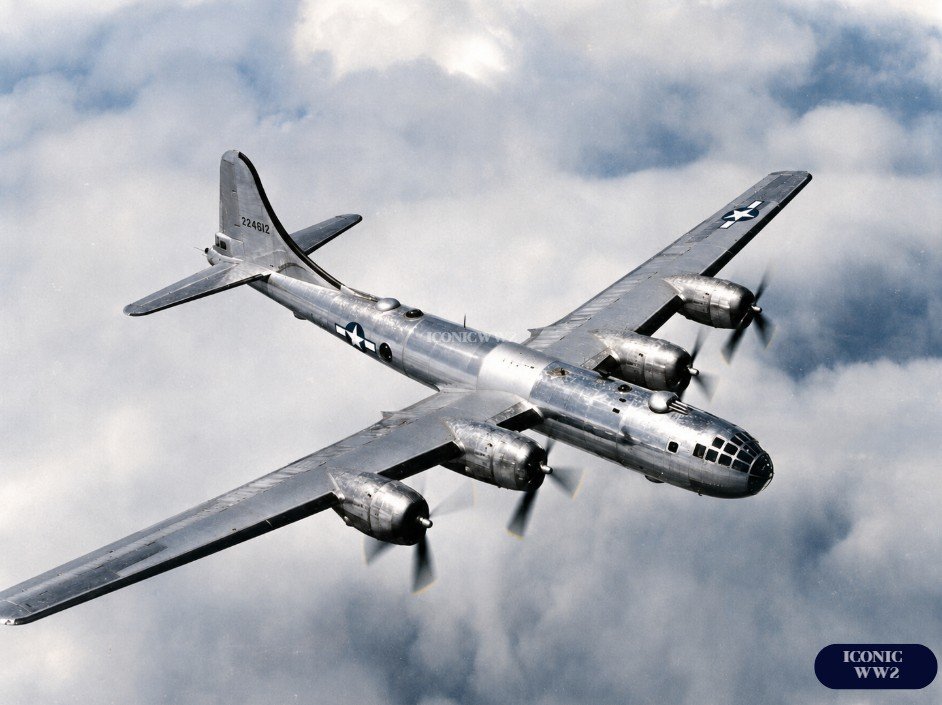
From late 1944 the B-29 Superfortress brought the war directly to Japan. Flying first from China and then from the Mariana Islands, the great pressurised bombers struck the Home Islands themselves — and when high-altitude precision bombing failed against the jet stream, General Curtis LeMay sent them in low and by night with incendiaries. On 9–10 March 1945 a single raid burned the heart out of Tokyo and killed on the order of 100,000 people; over the months that followed the fire raids consumed the centres of more than sixty cities.
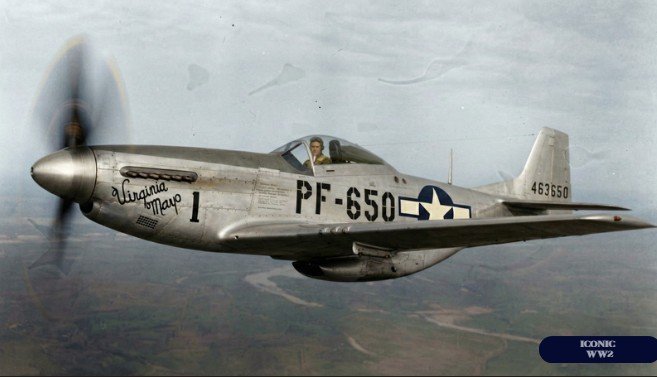
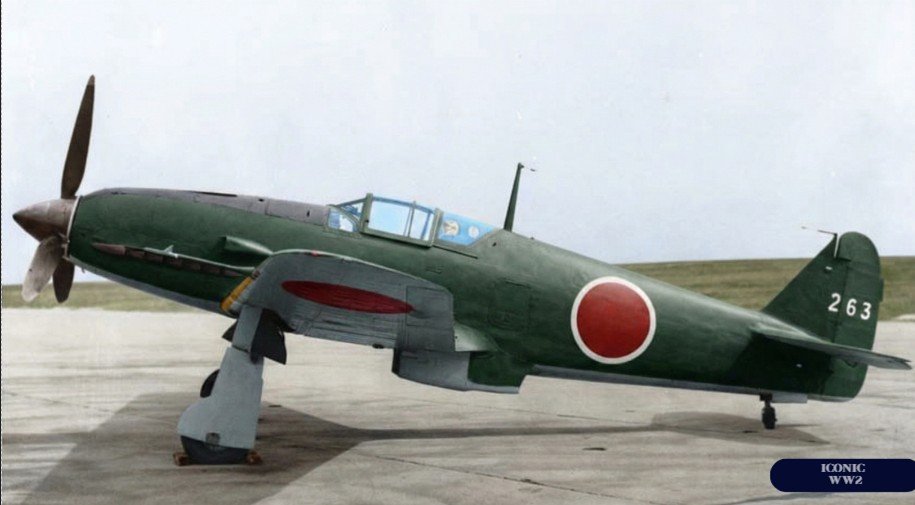
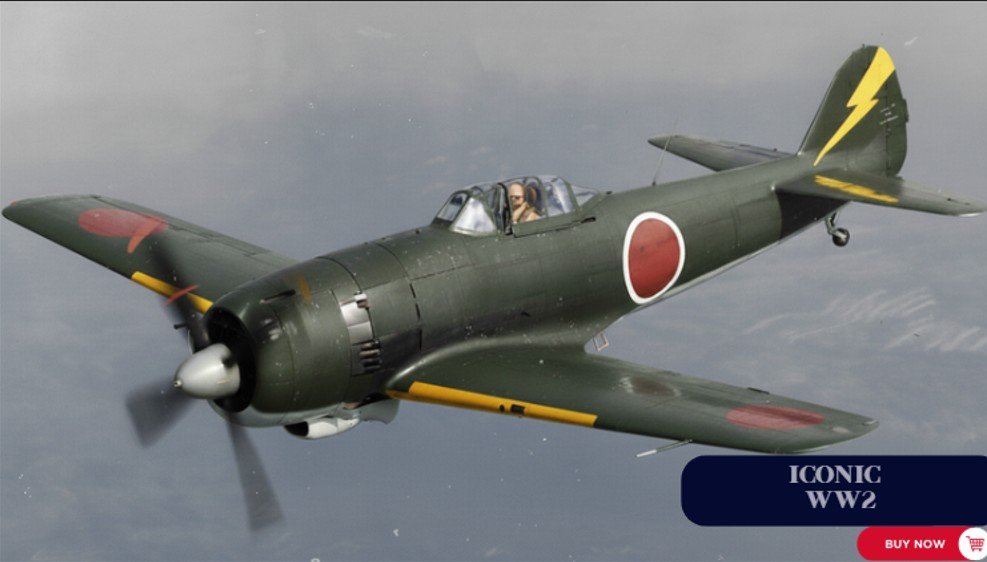
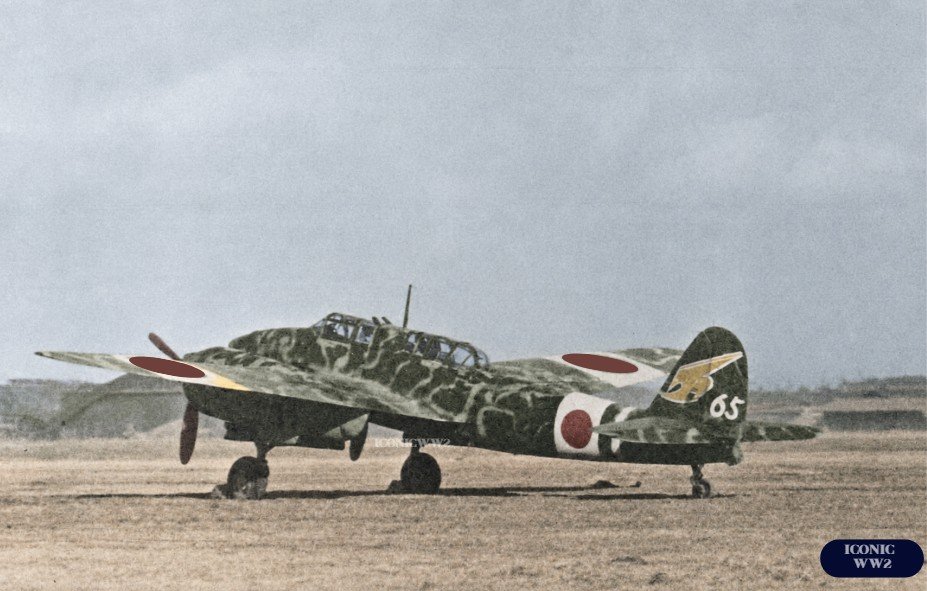
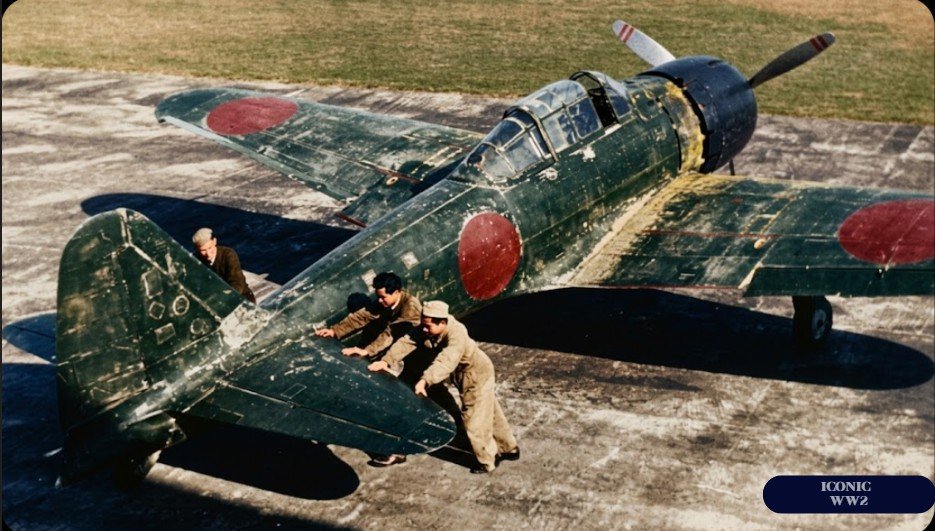
Against them rose the interceptors of the home-defence force — Army fighters like the Ki-61, the Ki-84 and the twin-engine Ki-45, and the Navy’s Zero — clawing for the altitude the bombers flew at, and resorting at last to ramming when their guns could not reach. The campaign ended with the two atomic missions of August 1945 and the surrender that followed. The aircraft of that final battle, attacker and defender, are gathered here.